When tackling a major clean-up or renovation, managing waste can often be an afterthought. Yet, anyone who's faced a mountain of debris can attest that proper waste management is crucial. Roll off dumpsters are the unsung heroes of large-scale waste management, offering a host of benefits that can make your project easier, more cost-effective, and safer.
1. Effortless Cleanup
Effortless cleanup starts with having one clear place for debris, trash, packaging, yard waste, and renovation materials as a project moves forward. A roll off dumpster can be delivered to the property and removed once filled, which helps homeowners, business owners, contractors, and event organizers avoid scattered waste piles. The EPA waste management hierarchy places source reduction and reuse above recycling, energy recovery, treatment, and disposal. Keeping waste contained during a kitchen remodel, landscaping project, cleanout, or large event can make the work area easier to manage from start to finish.
- A roll off dumpster gives projects one dedicated place for debris.
- Onsite waste collection can reduce cleanup interruptions during busy work.
- Organized disposal helps keep homes, businesses, and event spaces easier to navigate.
2. Cost-Effective Waste Removal
Cost-effective waste removal often starts with choosing a dumpster size that matches the amount and type of debris being removed. Roll off dumpsters can help reduce repeated pickup requests, extra hauling trips, and scattered disposal costs when a project produces a large volume of waste. Planning ahead helps property owners avoid paying for too little container space, too much unused capacity, or unnecessary extra hauls.
- The right dumpster size can help control disposal costs.
- A roll off dumpster can reduce the need for multiple small pickups.
- Clear waste planning supports a more predictable project budget.

3. Eco-Friendly Disposal
Eco-friendly disposal starts with keeping recyclable, reusable, hazardous, and landfill-bound materials from being mixed together without a plan. Roll off dumpsters can support cleaner project waste handling by giving crews and property owners a defined place to collect debris before it is hauled away. The Louisiana Department of Environmental Quality explains that solid waste facilities in Louisiana are regulated through permitting, standards, and enforcement. Responsible dumpster use helps projects follow disposal rules while reducing unnecessary mess, contamination, and environmental harm.
- Roll off dumpsters can support better sorting for recyclable materials.
- Responsible disposal helps keep debris out of natural spaces and waterways.
- Local waste rules help guide how materials should be handled and removed.
4. Streamlined Operations
Streamlined operations become easier when waste is contained instead of spread across active work areas, storage zones, walkways, and loading spaces. Roll off dumpsters give workers a clear disposal point, which can reduce clutter and keep materials from interfering with daily tasks. The OSHA walking-working surfaces standard requires walking-working surfaces to be kept clean, orderly, and sanitary. Cleaner waste handling can help crews move more easily, locate materials faster, and keep projects running with fewer disruptions.
- Roll off dumpsters help keep waste contained in one designated area.
- Cleaner work zones can reduce delays caused by clutter and blocked access.
- Organized disposal supports better coordination during active project phases.
5. Roll-Off Dumpsters Put Safety First
Roll-off dumpsters support safer project sites by keeping debris, sharp materials, broken items, packaging, and heavy waste in a controlled location. Loose waste can create tripping hazards, blocked walkways, and unsafe handling conditions when it is left scattered around a property. The OSHA construction fall prevention guidance identifies falls as one of the leading causes of construction fatalities. Keeping debris contained can reduce avoidable hazards and help workers, homeowners, and visitors move through the area with greater care.
- Contained debris helps reduce trip and fall hazards.
- A roll off dumpster keeps sharp or bulky waste in a designated space.
- Cleaner pathways support safer movement around the project site.
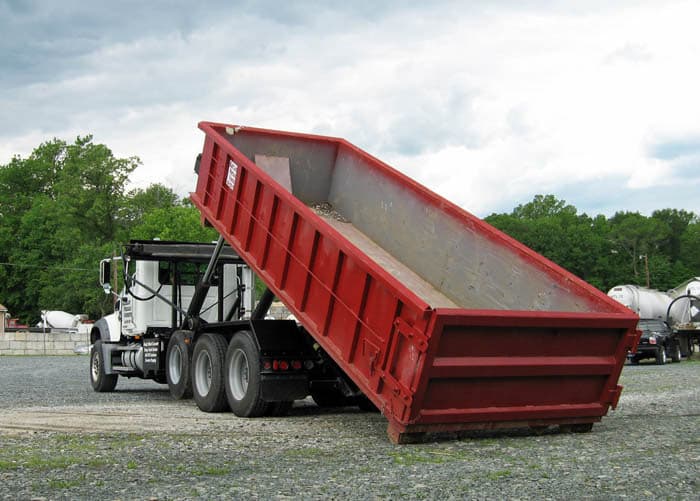
Benefits of Roll Off Dumpsters
Roll off dumpsters can help homeowners, business owners, contractors, and event organizers keep waste removal organized from the start of a project to the final cleanup. Projects that involve renovation, construction, landscaping, moving, or large cleanouts can generate debris quickly, so having one designated container helps keep the site safer and easier to manage. The EPA reports that construction and demolition activities generated about 600 million tons of debris in 2018. Choosing the right dumpster size, pickup schedule, and disposal plan can help control costs, reduce clutter, and support better cleanup for the property and surrounding community.
- Roll off dumpsters help keep project debris contained in one organized location.
- Choosing the right dumpster size can reduce extra hauling costs and wasted space.
- Planned waste removal supports safer work areas, smoother schedules, and cleaner properties.
Key Takeaways for Roll Off Dumpsters
- Roll off dumpsters simplify large-scale waste disposal, making cleanup fast and easy.
- Using a dumpster can improve project timelines by eliminating waste-related delays.
- One-time pricing for delivery and pickup makes roll off dumpsters a cost-effective choice.
- Dumpster rentals support environmentally responsible disposal through proper sorting and recycling.
- Keeping waste contained in one area boosts site safety and reduces the risk of accidents.
Frequently Asked Questions About Roll Off Dumpsters
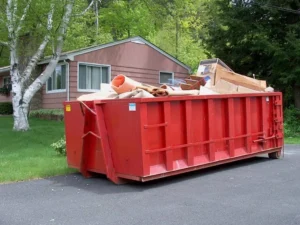
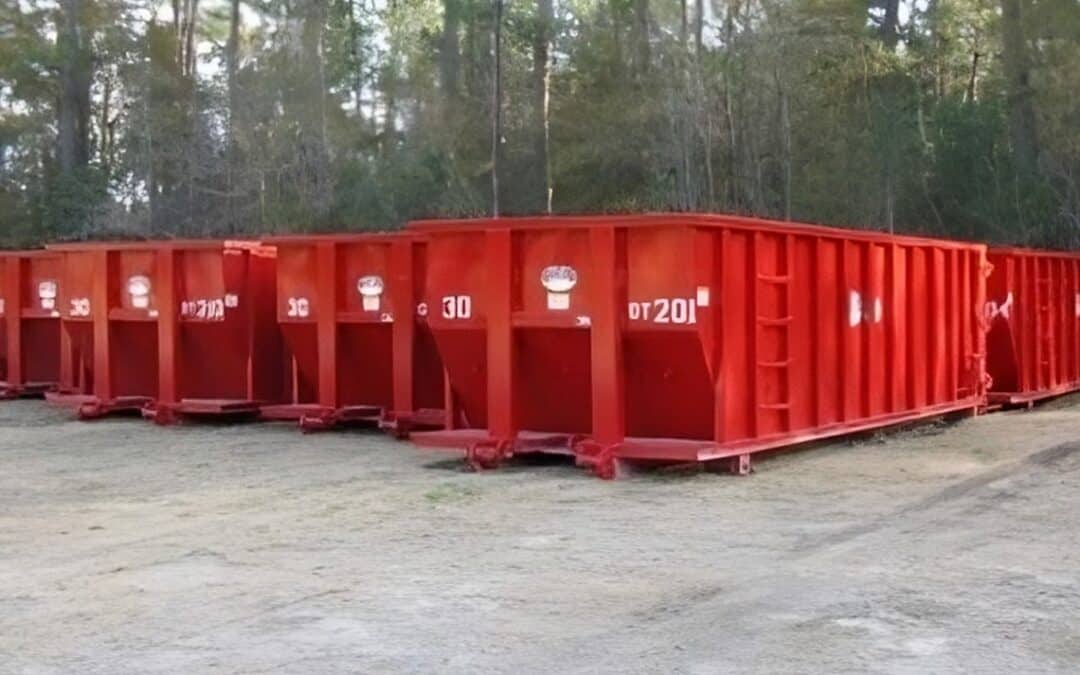
- What is a roll off dumpster? A roll off dumpster is a large, open-top container designed for temporary use at construction sites, home renovations, or large clean-up projects. It is delivered and removed by a specialized truck.
- How do I know what size dumpster I need? The size depends on the type and volume of debris. Common sizes include 10, 20, 30, and 40 yards. A rental company can help you select the right size based on your project details.
- What materials can I throw in a roll off dumpster? Most household junk, construction debris, yard waste, and furniture are allowed. However, hazardous materials like paint, batteries, asbestos, and chemicals are prohibited. Check with your provider for a complete list.
- Is a permit required to rent a roll off dumpster? If you plan to place the dumpster on a public street or sidewalk, a permit may be required by your municipality. The rental company can help you determine what’s needed.
- How long can I keep the dumpster? Rental periods typically range from a few days to a week. Longer rentals are available but may incur additional charges. Always confirm the rental terms when booking.
- What happens after the dumpster is picked up? Once picked up, the waste is taken to a local disposal facility where it is sorted and processed. Items suitable for recycling are separated, and remaining debris is handled according to local regulations.
- About the Author
- Latest Posts
Since 1998, Stranco Solid Waste Management has been a leading authority in solid waste management in Louisiana. With advanced transfer stations and specialized divisions for roll-off and frontload services, we offer efficient, compliant, and cost-effective waste disposal solutions for our communities.