
Solid waste includes everything people throw away after it's served its purpose. This can range from everyday household trash to industrial leftovers and demolition debris. Knowing the different categories of waste helps communities and organizations decide how to handle each type responsibly. Waste comes in many forms, and not all of it belongs in the same bin.
- Municipal waste includes food scraps, plastic packaging, paper, and glass
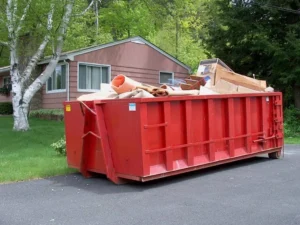
- Construction waste may contain bricks, wood, and insulation materials
- Hazardous waste includes batteries, cleaning chemicals, and medical materials
What Is Solid Waste Management
Solid waste management refers to the planning, collecting, transporting, and disposing of garbage in a way that protects people and the environment. A contractor once shared how a lack of scheduled waste pickup caused rodent infestations on a project site and this is just one example of what happens when it’s not handled properly. It’s more than just hauling trash away; it’s a process that demands awareness, logistics, and accountability.
- Improves public health by reducing pollution and contamination
- Follows federal and local guidelines for proper waste handling
- Supports sustainability through waste reduction practices
Importance of Waste Management
Proper solid waste management helps reduce health risks, prevent illegal dumping, protect natural resources, and keep communities cleaner. Trash can pile up quickly when there is no clear system for collection, sorting, recycling, treatment, and disposal. The EPA reports that the United States generated 292.4 million tons of municipal solid waste in 2018. Responsible waste management helps keep soil, air, water, neighborhoods, and public spaces from being overwhelmed by discarded materials.
- Waste management helps reduce landfill overflow and illegal dumping.
- Better disposal can lower methane and other harmful emissions.
- Organized waste handling helps keep soil, air, and water cleaner.
Common Waste Disposal Methods
Common waste disposal methods include landfilling, recycling, composting, incineration, and special handling for hazardous materials. Each method has a different purpose, and the best choice depends on the type of waste, local rules, available facilities, and environmental concerns. The EPA waste management hierarchy places source reduction and reuse above recycling, energy recovery, treatment, and disposal. Careful planning helps communities reduce landfill use while choosing safer options for different waste streams.
- Landfilling remains widely used but requires careful environmental controls.
- Incineration reduces waste volume but needs proper pollution control systems.
- Composting organic matter can reduce landfill use and create useful soil material.
Role of Recycling Programs
Recycling programs help recover materials that would otherwise be sent to landfills, but they work best when residents and businesses sort items correctly. Paper, cardboard, metal, glass, and certain plastics can be reused in manufacturing when they are clean and accepted by local programs. Clear public education helps reduce contamination and makes recycling programs more effective.
- Recycling helps reduce demand for raw materials such as wood, metal, and oil.
- Recycling and reuse support jobs in collection, processing, and manufacturing.
- Public education helps reduce contamination in recycling bins.
How Landfills Are Managed
Modern landfills are engineered facilities designed to contain waste, control leachate, monitor groundwater, and manage landfill gas. They do not operate like open dumps because federal rules require protective systems that help reduce environmental risks. The EPA explains that municipal solid waste landfills must meet federal location, design, operation, groundwater monitoring, closure, and post-closure care requirements. These controls help make landfill disposal safer, even though waste reduction and recycling remain important parts of long-term planning.
- Landfills must use liners and leachate controls to help protect groundwater.
- Gas collection systems can capture methane from decomposing waste.
- Regular monitoring helps support environmental compliance.

Waste Collection and Transport
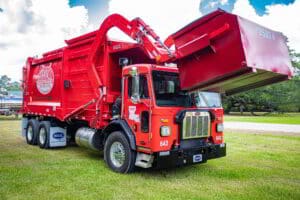
Waste collection and transport move trash, recyclables, yard debris, and bulky materials from homes, businesses, and public spaces to the correct facilities. Trucks follow planned routes, and those routes can affect fuel use, labor time, pickup reliability, and access to recycling programs. Strong collection systems help keep waste moving before it becomes a larger cleanup, odor, pest, or overflow problem.
- Waste collection requires fleet maintenance, staffing, fuel planning, and route scheduling.
- Many communities use public departments, private haulers, or both for waste service.
- Bin access and pickup frequency can affect how often residents recycle properly.
Municipal Waste Management Strategies
Municipal waste management strategies often combine curbside pickup, recycling access, composting options, public education, transfer stations, and local disposal rules. Every community has different needs based on population size, housing density, budget, landfill access, and available recycling markets. The EPA explains that public participation is important for improving recycling systems and reducing contamination. Clear programs make waste reduction easier for residents, schools, businesses, and local agencies.
- Public education helps residents understand what belongs in each bin.
- Pay-as-you-throw programs can encourage households to reduce trash volume.
- Grants and local partnerships can support composting, recycling, and cleanup programs.
Environmental Impact of Waste
Waste can affect the environment when it is dumped, burned, buried, or handled without proper controls. Plastics, chemicals, oils, food waste, and other debris can pollute soil, water, air, and wildlife habitats when they escape managed systems. The EPA explains that mismanaged trash can harm wildlife, damage habitats, transport chemical pollutants, and create hazards in waterways. Proper waste management helps reduce these risks by keeping materials contained, sorted, recycled, treated, or disposed of safely.
- Unmanaged plastic can harm wildlife and move through waterways.
- Burning trash without proper controls can release harmful air pollutants.
- Poor disposal can allow chemicals and waste residue to reach soil or water.
Benefits of Proper Waste Disposal
Proper waste disposal helps communities stay cleaner while reducing pollution, conserving resources, and extending the useful life of disposal facilities. Sorting materials for recycling or composting can reduce the amount of trash sent to landfills and lower demand for new raw materials. The EPA explains that recycling helps conserve natural resources, save energy, and reduce landfill waste. Responsible disposal also supports cleaner habits among residents, businesses, schools, and property owners.
- Proper disposal can reduce demand for raw materials and energy.
- Better waste handling helps lower pollution exposure in communities.
- Cleaner disposal habits support healthier homes, workplaces, and public areas.
Future of Waste Management Technology
Future waste management technology is focused on smarter collection, better sorting, cleaner processing, and improved tracking of materials. Cities and service providers are using tools such as sensors, route software, data systems, advanced recycling equipment, and organics processing to make waste programs easier to manage. The EPA explains that landfill gas energy projects can capture methane from landfills and use it as an energy resource. Technology can help communities reduce overflow, improve recycling quality, manage organic waste, and make collection systems more efficient.
- Smart bins and sensors can help detect overflow before containers become a problem.
- Advanced sorting systems can improve separation of recyclable materials.
- Organic waste technology can turn food scraps and yard debris into compost, fuel, or energy resources.

Key Takeaways on What Is Solid Waste Management
- Solid waste includes household, commercial, industrial, and hazardous materials
- Proper management prevents environmental damage and promotes public health
- Waste can be reduced through recycling, composting, and community planning
- New technology is improving how waste is tracked, processed, and reused
- Everyone, from individuals to governments, plays a role in managing waste
Frequently Asked Questions About Solid Waste Management
- What are the main goals of solid waste management? To reduce waste, protect the environment, and promote healthier communities through smart disposal, recycling, and resource recovery.
- How can households participate in better waste practices? By separating recyclables, composting food scraps, and reducing plastic use whenever possible.
- Are landfills still the most common method of disposal? Yes, but they’re increasingly supplemented with recycling, incineration, and composting efforts.
- Why does recycling sometimes fail? Contaminated bins, poor sorting, and lack of market demand for recycled materials can cause issues.
- What does the EPA do about waste? The EPA sets guidelines and regulations to ensure that waste handling minimizes harm to people and ecosystems.
- About the Author
- Latest Posts
Since 1998, Stranco Solid Waste Management has been a leading authority in solid waste management in Louisiana. With advanced transfer stations and specialized divisions for roll-off and frontload services, we offer efficient, compliant, and cost-effective waste disposal solutions for our communities.