Jobsite productivity often determines whether a project stays on schedule or drifts into delays that cost time and money. Crews working on residential, industrial, and commercial jobs face constant debris buildup that slows progress when not handled properly. A roll off dumpster improves jobsite efficiency by keeping waste contained, accessible, and easy to remove as work continues. The sections below explain ten reasons a roll off dumpster and dumpster rental help crews stay organized, safe, and productive.
- Reduces clutter across active work zones
- Keeps materials and debris separated
- Supports steady progress throughout the day
Jobsite Example
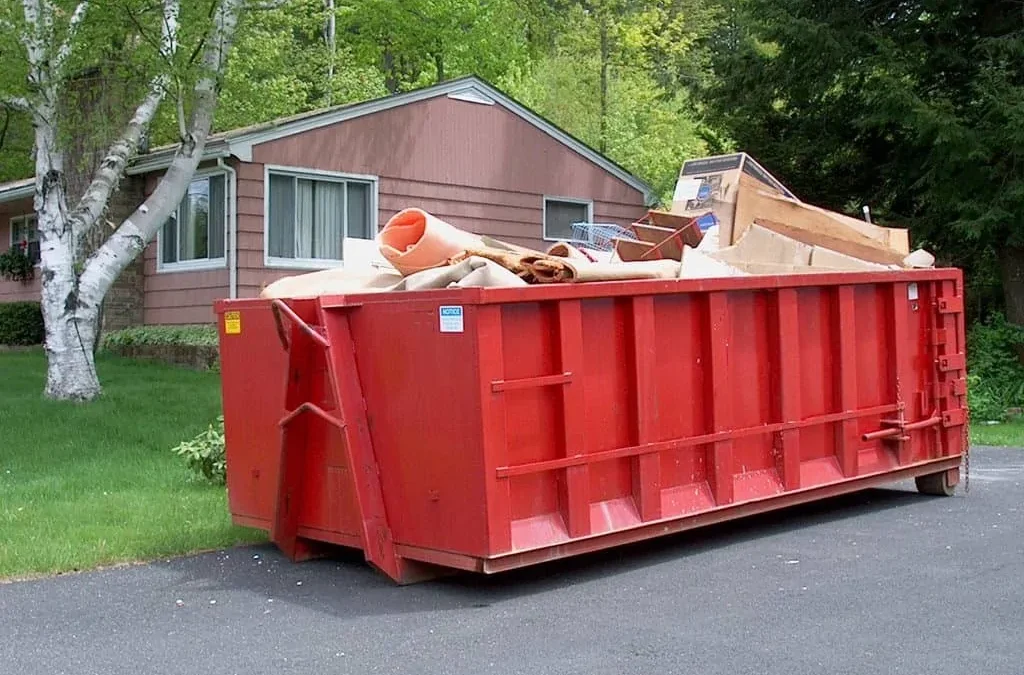
Experienced contractors often notice how quickly debris piles up once demolition begins, and that buildup can slow down every phase of work if it is not managed early. A crew handling a mixed-use renovation project placed a roll off dumpster near the main work area and noticed that disposal became part of the workflow instead of a separate task. Workers moved debris directly into the container instead of stacking it in corners, and that simple change kept pathways clear and tasks moving forward without interruption. A steady dumpster rental setup can make a noticeable difference in how a job unfolds from start to finish.
- Reduces time spent relocating waste piles
- Keeps crews focused on primary tasks
- Improves coordination between teams
1. Centralized Waste Collection
Centralized waste collection gives crews one clear place to place debris, which helps prevent scattered piles from slowing movement across a jobsite. A roll off dumpster placed in a practical location allows workers to dispose of materials quickly without searching for open space or walking long distances. The EPA reports that construction and demolition activities generated about 600 million tons of debris in 2018. Keeping waste in one area helps separate tools, work zones, walkways, and disposal spaces as projects become larger or more active.
- Centralized waste collection keeps debris contained in one area.
- A roll off dumpster reduces confusion about disposal zones.
- Organized disposal supports smoother movement across the site.
2. Faster Debris Removal
Faster debris removal helps crews avoid delays when scraps, packaging, broken materials, and construction waste begin blocking active work areas. A dumpster rental allows waste to be handled throughout the day instead of waiting until cleanup becomes a larger task. Regular disposal helps workers stay focused on their assigned tasks while keeping the project moving.
- Faster debris removal helps prevent buildup that slows progress.
- A dumpster rental allows continuous disposal during active work.
- Onsite disposal can reduce the need for extra hauling trips.
3. Reduced Labor Downtime
Reduced labor downtime happens when workers spend less time managing waste and more time completing the skilled work that moves a project forward. A roll off dumpster can limit repeated trips to offsite disposal facilities, which may interrupt the workday and pull crews away from higher-value tasks. The OSHA materials handling guidance explains that improper handling and storing of materials can contribute to injuries, delays, and workplace hazards. Easier debris placement helps crews return to their main duties with fewer interruptions.
- A roll off dumpster can limit time spent on disposal trips.
- Organized waste removal keeps workers focused on primary duties.
- Reduced downtime supports steadier daily project output.
4. Improved Jobsite Safety
Improved jobsite safety starts with keeping debris contained instead of scattered across walkways, staging areas, and active work zones. Loose boards, sharp materials, packaging, and broken debris can create hazards when they are left exposed. OSHA identifies slips, trips, and falls as a major cause of workplace injuries and encourages employers to keep walking and working surfaces clear. A dumpster rental gives crews a designated disposal area that supports safer movement for workers, visitors, and equipment.
- Contained waste helps reduce tripping hazards on the jobsite.
- A dumpster rental keeps sharp debris in a designated area.
- Clearer pathways support safer movement for crews and equipment.

5. Better Space Organization
Better space organization helps crews use available room more effectively, especially on tight job sites where walkways, storage areas, equipment paths, and work zones can become crowded. A roll off dumpster creates a defined waste zone, which keeps debris away from active work areas and makes the site easier to navigate. The OSHA housekeeping guidance states that work areas, passageways, storerooms, and service rooms should be kept clean, orderly, and sanitary. Clean layouts can help workers locate tools, materials, and equipment faster while reducing confusion during busy project phases.
- A roll off dumpster creates clear work and disposal zones.
- Organized spaces improve access to tools and materials.
- Cleaner layouts reduce confusion during busy phases.
6. Simplified Waste Sorting
Simplified waste sorting becomes easier when debris is collected in a controlled area instead of being mixed across the jobsite. A dumpster rental can support separate handling for materials such as wood, metal, concrete, drywall, and packaging when local disposal rules allow it. The EPA encourages reducing, reusing, and recycling construction and demolition materials to conserve resources and reduce waste. Clear sorting systems help crews understand where materials should go before debris piles become harder to manage.
- Organized sorting supports recycling efforts.
- A dumpster rental can help keep materials separated.
- Clear disposal zones reduce confusion about waste rules.
7. Predictable Disposal Scheduling
Predictable disposal scheduling helps projects stay on track by removing waste before it blocks access, creates overflow, or interrupts work phases. Dumpster rental services often include planned pickup times, which gives crews a clearer schedule for cleanup and removal. The EPA explains that organized waste management planning helps manage debris more effectively during high-volume situations. Consistent scheduling keeps waste removal from becoming a last-minute problem as the project moves forward.
- Scheduled pickup helps prevent overflow issues.
- Predictable disposal keeps project timelines more consistent.
- Reliable waste removal supports better planning.
8. Fewer Hauling Interruptions
Fewer hauling interruptions occur when crews can place debris onsite instead of stopping work to transport materials to a disposal facility. A roll off dumpster reduces repeated dump runs, which helps workers stay focused on demolition, cleanup, installation, and other project tasks. The OSHA materials handling guidance explains that improper handling and storing of materials can contribute to workplace hazards and delays. Keeping debris disposal onsite can reduce unnecessary movement while helping the workday stay organized.
- A roll off dumpster reduces frequent dump runs.
- Onsite disposal helps crews stay focused on work.
- Fewer hauling trips can reduce fuel use and travel time.
9. Scalable Project Support
Scalable project support helps crews adjust waste removal when project needs change, debris volume increases, or new work phases begin. Dumpster rental options often come in multiple sizes, which makes it easier to match the container to the scope of the job. Flexible dumpster planning helps crews manage both small cleanup tasks and larger construction projects without letting debris slow progress.
- Container size can be matched to project needs.
- Flexible dumpster service supports changing workloads.
- Scalable disposal keeps cleanup aligned with project progress.
10. Cost Control Benefits
Cost control becomes easier when waste management follows one organized system instead of several separate disposal methods. A dumpster rental can reduce the need for extra labor, fuel, equipment, and repeated hauling trips. The EPA explains that reducing, reusing, and recycling construction materials can lower disposal needs and conserve resources. A roll off dumpster helps keep cleanup more predictable while supporting a smoother project budget.
- Organized waste removal can reduce labor and fuel expenses.
- A dumpster rental may limit the need for extra hauling equipment.
- Predictable disposal supports better project budgeting.

How Roll Off Dumpsters Improve Jobsite Efficiency Key Takeaways
Strong jobsite performance depends on how well waste is managed throughout each phase of work, and that connection becomes clear when looking at daily operations. A roll off dumpster creates a system where debris is handled as part of the workflow rather than as a separate problem that slows everything down, and that shift keeps projects moving at a steady pace. Organized disposal improves safety, supports better coordination, and reduces unnecessary delays that can affect both timelines and costs. A dependable dumpster rental setup helps crews stay focused, maintain order, and complete projects with fewer interruptions.
- Centralized waste handling keeps sites organized
- Consistent disposal supports steady progress
- Structured systems reduce delays and hazards
Frequently Asked Questions
What size roll off dumpster works for construction projects? Common sizes range from 10 to 40 yards, and the right choice depends on the type of debris and the scale of the project. Larger builds often require bigger containers to handle heavy materials.
How long can a dumpster rental stay on site? Rental periods often last several days to a couple of weeks, though timelines can be adjusted based on project needs and scheduling arrangements.
What materials can go into a roll off dumpster? Most construction debris such as wood, drywall, and roofing materials can be placed inside, while hazardous items like chemicals and batteries are usually restricted.
Do projects need permits for dumpster placement? Permits may be required when placing a container on public property such as streets, while private property placements often do not require approval.
Can multiple dumpsters be used on one jobsite? Large projects often use more than one container to separate materials or handle high volumes of debris, which helps keep disposal organized.
- About the Author
- Latest Posts
Since 1998, Stranco Solid Waste Management has been a leading authority in solid waste management in Louisiana. With advanced transfer stations and specialized divisions for roll-off and frontload services, we offer efficient, compliant, and cost-effective waste disposal solutions for our communities.