Dumpster rental service gives businesses a steady way to handle trash that shows up in different shapes, sizes, weights, and quantities. A front load dumpster rental service can help offices, restaurants, retail centers, schools, churches, apartment communities, recreation facilities, and entertainment venues keep daily disposal under control. This guide explains container sizes, pickup schedules, front load service, roll off dumpster rental service, and how a waste management company can help match service to real waste volume. Dumpster rental for front load waste service can support cleaner storage areas, easier pickup, and fewer trash problems during busy operations.
- Front load service is often used for recurring commercial trash pickup.
- Container size should match the amount, weight, and type of waste produced.
- Pickup schedules can be adjusted for smaller shops, larger properties, and active job sites.
Front Load Dumpster Rental Basics
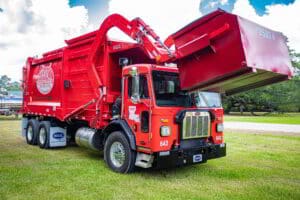
Front load dumpster rental uses an onsite container that is emptied by a truck with front lifting arms. A simple example is a restaurant that fills several bags each day and needs a lidded container outside so waste stays contained between pickups. The OSHA sanitation standard says receptacles for solid or liquid waste must be built so they do not leak and can be kept sanitary. That standard helps explain why container condition, proper placement, and scheduled service matter for businesses that create steady waste.
- Front-load dumpsters stay onsite for recurring waste service.
- Lids help limit pests, rainwater, odor spread, and loose debris.
- Scheduled pickup helps prevent overflow during normal business activity.
Container Types and Pickup Schedules
Dumpster rental service should reflect the way a business actually creates waste, because no two properties produce the same mix of trash. Some businesses need front load service for weekly pickup, while others may need roll off service for temporary cleanup, renovation debris, or heavier project waste. A waste management company can review waste volume, property layout, container access, and pickup timing before recommending a container. All job sites should be checked before and after delivery so placement, access, and cleanup needs are handled with care.
- Front load service works well for ongoing commercial waste.
- Roll off service may fit temporary cleanup, construction, or bulky debris needs.
- Site checks before and after delivery help support safer placement and smoother service.
Choosing the Right Dumpster Rental Size
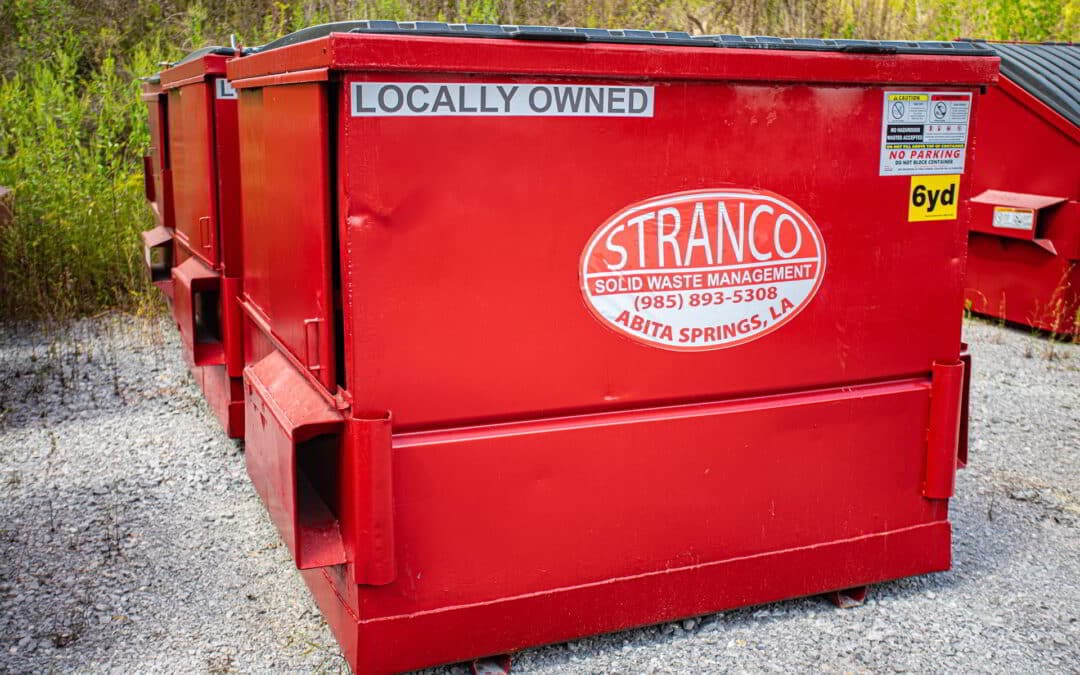
Choosing the right dumpster rental size helps a business avoid overflow, wasted space, and pickup problems. Frontload containers are available in 2, 4, 6, and 8 cubic yard sizes, which gives businesses room to match service to their trash volume. The EPA recycling guidance explains that collected recyclables are sent to a recovery facility to be sorted, cleaned, and processed into materials used in manufacturing. That fact matters because some businesses need separate planning for trash, cardboard, glass, metal, plastic, and other accepted recyclable materials.
- A 2 yard container holds approximately 14 bags of garbage.
- A 4 yard container holds approximately 28 bags of garbage.
- A 6 yard container holds approximately 42 bags of garbage, while an 8 yard container holds approximately 56 bags.
2 Yard Dumpster Rental for Smaller Waste Needs
A 2 yard dumpster rental container may work well for smaller businesses with lighter daily waste needs. This size holds approximately 14 bags of garbage, making it useful for small offices, shops, cafes, salons, and properties with limited service space. The U.S. Small Business Administration explains that businesses need to keep up with permits, licenses, and regulations as part of staying legally compliant. A smaller container can help a business keep trash contained while still following local placement and pickup rules.
- A 2 yard container can fit tighter service areas.
- Smaller businesses may pair this size with a regular pickup schedule.
- Light waste loads may not require a larger container with unused space.
4 Yard Dumpster Rental for Mid-Sized Operations
A 4 yard dumpster rental container can support businesses that need more capacity than a small container offers. This size holds approximately 28 bags of garbage, which may suit mid-sized offices, retailers, restaurants, smaller job sites, or commercial properties with steady trash output. The EPA explains that landfills are engineered facilities with systems for waste placement, monitoring, and environmental protection. Good container planning helps waste move through managed systems instead of turning into overflow near the building.
- A 4 yard container can support moderate commercial trash volume.
- This size may help properties with busier customer or employee activity.
- Pickup frequency should match how quickly the container fills.
6 Yard Dumpster Rental for Larger Properties
A 6 yard dumpster rental container may fit larger businesses, schools, apartment communities, malls, and active commercial properties. This size holds approximately 42 bags of garbage, which can help when multiple departments, tenants, classrooms, or shared work areas use the same disposal system. The EPA explains that the Resource Conservation and Recovery Act created a framework for proper solid and hazardous waste management. A waste management company can help businesses keep routine trash separate from restricted items that need special handling.
- A 6 yard container can serve properties with heavier routine waste.
- Shared buildings may need this size to prevent crowded trash areas.
- Restricted materials should stay out of standard containers unless approved.
8 Yard Dumpster Rental for High-Volume Waste
An 8 yard dumpster rental container can support organizations with larger waste loads and steady disposal needs. This size holds approximately 56 bags of garbage, which may work for big box stores, larger apartment properties, industrial sites, schools, hotels, and construction-related operations with recurring trash. The OSHA walking-working surfaces guidance addresses the need to keep walking and working surfaces clear of hazards. A larger front-load container can help keep trash from spilling into walkways, loading areas, parking lots, and shared service zones.
- An 8 yard container can help high-volume properties avoid overflow.
- Larger containers need clear truck access for safe service.
- Regular site review can help decide whether pickup frequency should change.
Roll Off Service for Project Waste
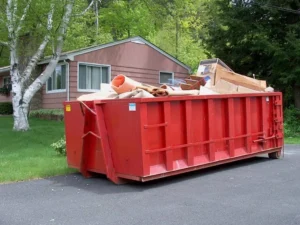
Front load service handles recurring business trash, but roll off service may be the better match when a property has a temporary project. Renovations, roofing work, tenant cleanouts, landscaping jobs, and construction cleanup can create bulky debris that does not belong in a routine front-load container. The EPA explains that construction and demolition materials can include concrete, wood, asphalt, gypsum, metals, bricks, glass, plastics, and salvaged building parts. Businesses can use dumpster rental for daily waste while scheduling roll off service when larger project debris needs separate handling.
- Roll off service may fit renovations, cleanouts, and short-term project waste.
- Front load service is usually better for recurring trash from daily operations.
- Businesses should confirm accepted materials before loading any container.
Service Planning With a Waste Management Company
A waste management company can help businesses choose container size, pickup timing, placement, and service type before trash becomes a problem. Account support can be especially useful for businesses with multiple locations, varied waste types, or changing pickup needs. The EPA hazardous waste guidance explains that some common products can be dangerous when improperly stored, treated, disposed of, or released into the environment. Clear service planning helps businesses keep standard trash, recyclables, and restricted materials on the right disposal path.
- Account support can simplify scheduling across one or several properties.
- Pickup plans can change when waste volume rises or falls.
- Business owners should ask about restricted items before disposal.

Key Takeaways for Dumpster Rental Service
Dumpster rental works best when container size, pickup schedule, waste type, and property layout are matched from the start. Frontload containers in 2, 4, 6, and 8 cubic yard sizes can support businesses with different waste quantities, from lighter trash needs to higher-volume service. A practical plan also accounts for job site checks before and after delivery, because access and placement affect how smoothly pickup works. Businesses that need recurring trash collection may use front load service, while temporary cleanup or large debris may call for roll off service.
- Dumpster rental can support recurring trash service and temporary project cleanup.
- Frontload containers hold approximately 14, 28, 42, or 56 bags depending on size.
- A waste management company can help match container size to real waste volume.
- All job sites should be checked before and after delivery for safer service planning.
- Pickup schedules should reflect business type, waste amount, and property access.
FAQ
What is front load service?
Front load service uses a container that stays onsite and is emptied by a truck on a scheduled route. Businesses often use this service for recurring trash from daily operations.
Which container size should a business choose?
A business should choose a container based on waste quantity, pickup frequency, available space, and trash type. A 2 yard container holds about 14 bags, while an 8 yard container holds about 56 bags.
When is roll off service a better option?
Roll off service is often a better option for temporary cleanup, renovation debris, construction waste, roofing materials, or bulky items. Front load service is usually better for ongoing commercial trash.
Why should job sites be checked before and after delivery?
Job site checks help confirm safe placement, truck access, surface conditions, and cleanup needs. They also help reduce service problems after the container is delivered or removed.
Why work with a waste management company?
A waste management company can help match the container, pickup schedule, and disposal rules to the business. This can make trash removal easier to manage across one property or several locations.
- About the Author
- Latest Posts
Since 1998, Stranco Solid Waste Management has been a leading authority in solid waste management in Louisiana. With advanced transfer stations and specialized divisions for roll-off and frontload services, we offer efficient, compliant, and cost-effective waste disposal solutions for our communities.